

 March 1, 2025
 1 min read
For many mechanical engineering students and fresh graduates, getting the first internship can feel like a difficult cycle: companies want experience, but you need an opportunity to gain that experience. The good news is that an internship application does not have to depend entirely on previous industry experience.
Employers also look at your technical foundation, projects, practical exposure, willingness to learn, communication, and ability to contribute. A student who can demonstrate genuine interest in mechanical engineering and show evidence of what they have already learned can stand out even without a long work history. The way you present your existing knowledge can be just as important as the amount of experience you have.
An internship can become much more than a short-term certificate. It can give you exposure to real engineering processes, professional tools, industry standards, workplace communication, and the expectations of engineering teams. It can also help you understand which career direction—such as CAD design, automotive engineering, manufacturing, CAE, R&D, quality or production—fits you best.
No Experience? Start With What You Can Show
Not having professional experience does not mean you have nothing to show. Your academic projects, CAD practice, final-year project, technical competitions, certifications, workshops, personal projects and practical training can all provide evidence of your engineering ability. What matters is how clearly you present these experiences and connect them with the type of internship you are targeting. Even a small project can become valuable when it demonstrates practical application, curiosity and an understanding of basic engineering principles.
The key is to stop thinking about your experience only in terms of company names. Think about what you have actually done. If you have designed a component in CATIA V5, created an assembly in SolidWorks, performed an FEA study, developed an engineering drawing, built a prototype, or worked on a manufacturing-related project, those experiences can become part of your internship profile.
For example, writing “Knowledge of CATIA V5” is weak compared with explaining that you designed and assembled a mechanical component in CATIA V5 while considering design intent, dimensions and manufacturing requirements. The second statement gives an employer something concrete to evaluate and gives you something meaningful to discuss during an interview.
Your resume and portfolio can include:
- CAD models and assemblies
- Engineering drawings and GD&T
- Academic or personal projects
- Simulation or analysis work
- Prototypes and practical builds
- Relevant certifications and training
You do not need to pretend that these are professional projects. You simply need to present them clearly as evidence that you have started applying engineering knowledge outside the classroom. That evidence can help an employer see potential even when your professional experience section is still limited.
Build a Profile Companies Want to Notice

An internship recruiter is not necessarily looking for someone who already knows everything. They are looking for someone who can learn, contribute and adapt. Your profile should therefore communicate not only what you know today, but also the kind of engineer you are working toward becoming.
That means your profile should communicate more than academic marks. Your technical interests, software knowledge, projects, communication skills and willingness to learn should come together to create a clear picture of the kind of engineer you are becoming. A focused profile also makes it easier for recruiters to understand where they can potentially place you within their engineering team.
If you are interested in automotive design, for example, your profile should demonstrate that interest through relevant CAD projects, automotive components, product-development work, or technical learning. If you are interested in manufacturing, show your understanding of production processes, tooling, machining, DFM, or quality. The same principle applies to CAE, R&D, robotics and other mechanical engineering paths.
Your resume should also be tailored to the internship rather than sent unchanged to every company. Read the internship description and highlight the skills and projects that genuinely match what the company is looking for. When your application reflects the actual requirements of the position, it becomes easier for the recruiter to see a connection between your preparation and the internship.
A student with three relevant projects and a clear career direction can often make a stronger impression than someone who lists twenty unrelated skills. Relevance creates a much clearer professional identity.
Stop Waiting for Internships to Find You
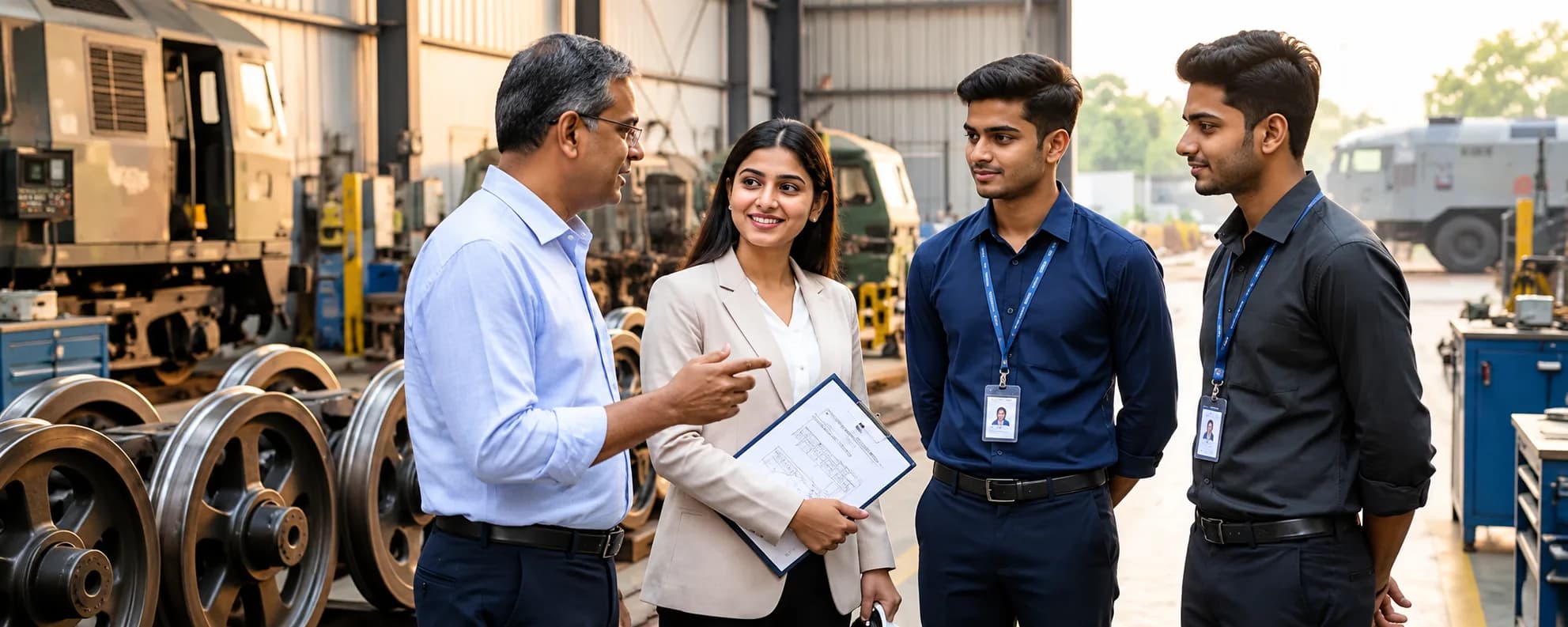
Finding an internship requires more than applying to a few job posts and waiting for a response. Companies, engineering firms, manufacturing organizations, startups and suppliers can offer opportunities through different channels, so your search should not depend on one platform. The wider your search, the more likely you are to discover opportunities that may not be heavily advertised.
Job portals are useful, but they are only one part of the process. University placement cells, career fairs, professional networking platforms, company career pages, technical events, workshops, professors, alumni and industry contacts can all help you discover opportunities. The original MechCareer article also recommends researching companies, using job portals and career fairs, connecting with alumni and professionals and participating in professional events to uncover internship opportunities.
Networking is particularly useful when you have little experience. A conversation with a senior engineer, professor, alumnus, or industry professional can help you understand which skills companies are actually using and what candidates should prepare before applying. These conversations can also help you discover the difference between what is taught academically and what is expected in an actual engineering workplace.
When reaching out, avoid sending a generic message such as “Sir/Ma'am, please give me an internship.” Instead, introduce yourself briefly, mention your area of interest and explain what you have already worked on.
For example, if you are interested in automotive product design, you could mention your CAD projects and ask whether there are internship opportunities in design or product development. The objective is not to ask everyone for a job. It is to build genuine professional connections and make people aware of what you can contribute.
Make Your First Interview Count
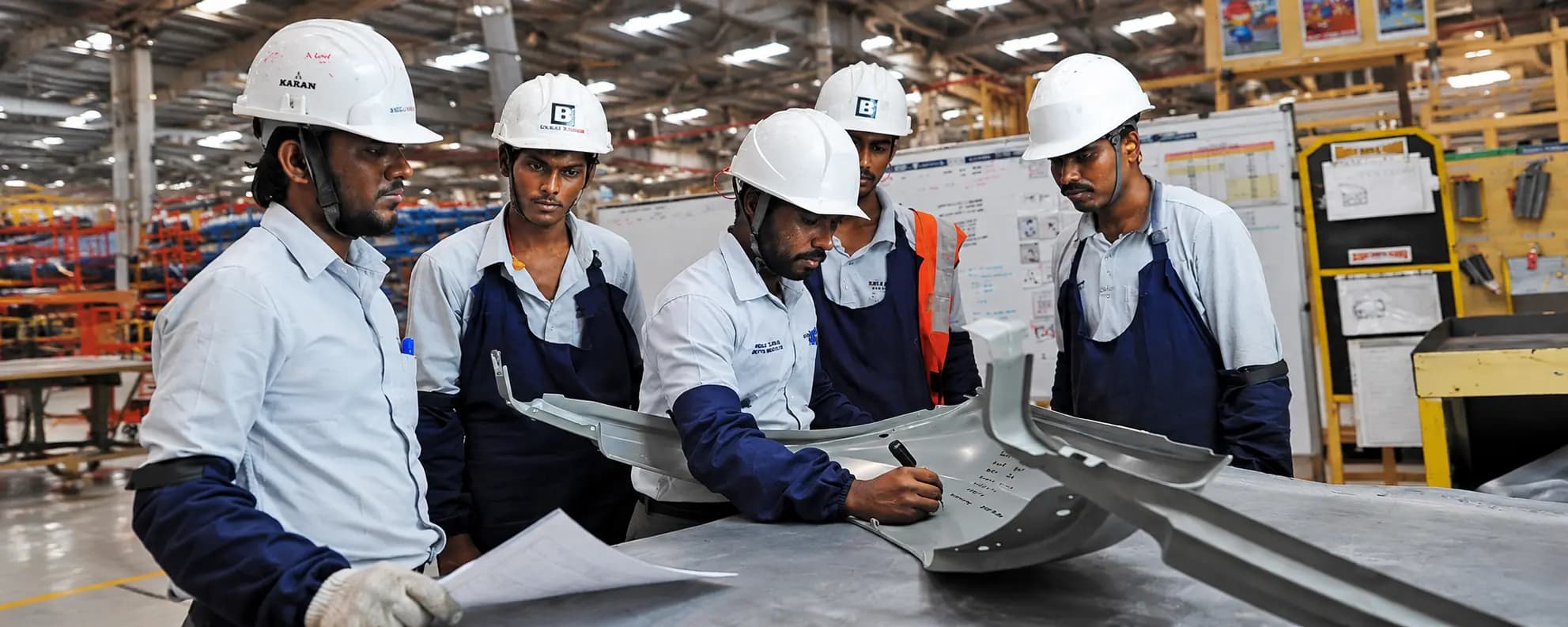
Getting an interview is only the beginning. For a mechanical engineering internship, technical preparation and the ability to explain your own work can make a significant difference. Your interview is an opportunity to turn the information on your resume into a real conversation about your engineering ability.
Do not prepare only by memorising definitions. Be ready to explain the projects mentioned on your resume. If you have listed CATIA, SolidWorks, GD&T, manufacturing processes, or simulation, expect questions about how you used them and why you made particular engineering decisions.
An interviewer may ask why you selected a particular material, how you would manufacture a component, why a design failed during testing, how you would reduce weight, or what you would change in your project if you had another opportunity. These questions are often designed to understand how you think through an engineering problem, not simply whether you can remember a textbook definition.
Your answer does not always need to be perfect. What matters is whether you can think through the engineering problem logically. Explain your approach, acknowledge limitations when necessary, and show how you would find the right answer if you did not already know it.
Also prepare for basic questions about yourself, your interests, your preferred engineering domain, and why you want to join that particular organization. A good technical answer becomes much stronger when it is supported by clear communication and genuine interest in the role.
Most importantly, be honest about what you know and what you do not know. Saying “I haven't worked on that yet, but I understand the fundamentals and I'm currently learning it” is far better than pretending to have experience you cannot defend.An internship is an opportunity to learn. Demonstrating curiosity and a willingness to improve can be just as important as demonstrating technical knowledge.
Turn Your Internship Into Your First Career Step

Getting the internship is not the finish line. It is where your real learning begins. The way you use those first few months can determine how much value you gain from the experience and how strongly it supports your next career move.
Once you join, take an active interest in the work around you. Ask questions, understand why processes are followed, observe how engineers make decisions, request feedback, and look for opportunities to contribute. The original MechCareer article also recommends taking initiative, seeking mentorship, participating in projects and training and building relationships across departments during the internship.
Do not focus only on completing the tasks assigned to you. Try to understand the larger engineering process. If you are working on a CAD model, learn how the component is manufactured. If you are involved in testing, understand what the results mean for the design. If you are working with production, observe how engineering decisions affect quality, cost and efficiency. This broader understanding can turn a simple internship task into meaningful engineering knowledge.
Keep a record of the projects you contribute to, the tools you use, the problems you help solve and the improvements you make. With appropriate confidentiality, this information can later become valuable material for your resume and professional portfolio. Documenting engineering designs, analyses, reports, presentations, achievements, and learning experiences is also recommended in the existing MechCareer guidance.
And if you perform well, do not be afraid to express interest in future opportunities. An internship can sometimes become a pathway to a full-time position, but even when it does not, the experience, skills, relationships and portfolio evidence you gain can strengthen your next application. Your first internship should therefore be viewed as the beginning of your professional journey, not simply another certificate to add to your resume.
Your First Internship Can Change the Direction of Your Career
You do not need years of experience to get your first mechanical engineering internship. You need a profile that shows what you have learned, what you can do and how seriously you want to build your engineering career.
Start with the projects and skills you already have. Build a focused resume and portfolio, apply strategically, connect with professionals, prepare properly for interviews and keep improving your technical capabilities. Every project you complete and every technical skill you develop can become another piece of evidence that you are ready to enter the engineering workplace.
Most importantly, do not wait until you feel 100% ready.
Your first internship is supposed to be where you gain experience—not something you need years of experience to qualify for.
Learn. Build. Apply. Connect. Repeat.
Share this article

Related Articles
Explore more

CAREER & JOBS
Are you a Design Engineer with 2-3 years of experience looking for your next career move?

CAREER & JOBS
Mechanical Design Engineers Scope and Demand by MechCareer.com

CAREER & JOBS
How to Get a Mechanical Engineering Internship With No Experience
CAREER & JOBS