
 March 1, 2025
 1 min read
Mechanical engineering offers a wide range of career opportunities, but if you enjoy production systems, machines, manufacturing processes, problem-solving and improving how products are made, a career in manufacturing engineering can be an excellent direction.
Manufacturing engineering is closely connected with production, process improvement, quality, tooling, automation and industrial operations. Manufacturing engineers help companies produce products more efficiently, safely, consistently and cost-effectively. Their work can influence everything from a single manufacturing process to an entire production line.
For students, freshers and mechanical engineers planning their next career move, understanding the different manufacturing engineering positions is important. Getting into this field requires more than knowing mechanical engineering theory. It requires practical knowledge, manufacturing skills, problem-solving ability, technical software knowledge and an understanding of how real production environments work.
1. Understand What Manufacturing Engineers Actually Do
Build the Skills Required for Manufacturing Engineering Positions

Turn Mechanical Engineering Knowledge Into Practical Manufacturing Experience
Explore Different Manufacturing Engineering Positions and Industries
Build Your Career From Fresher to Manufacturing Engineering Professional

Engineers can build deeper expertise in CNC machining, tooling, automotive manufacturing, lean manufacturing, industrial automation, quality systems, production planning, sheet metal, plastics, welding or advanced manufacturing technologies.Continuous learning remains important throughout the career. Manufacturing technologies, machines, automation systems, production methods and digital tools continue to evolve. Engineers who keep improving their technical knowledge and understanding modern manufacturing practices are better prepared for future opportunities.
Build a Career Where Engineering Meets Manufacturing



Related Articles
Explore more
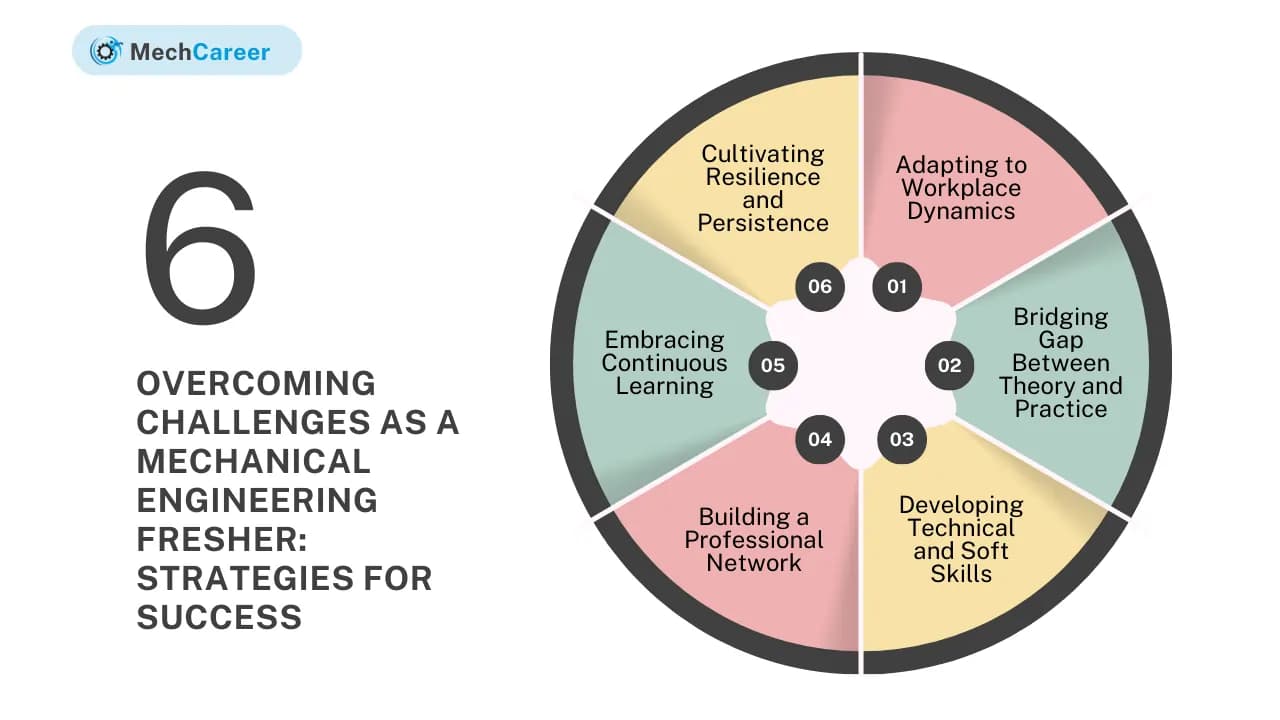
Overcoming Challenges as a Mechanical Engineering Fresher: Strategies for Success